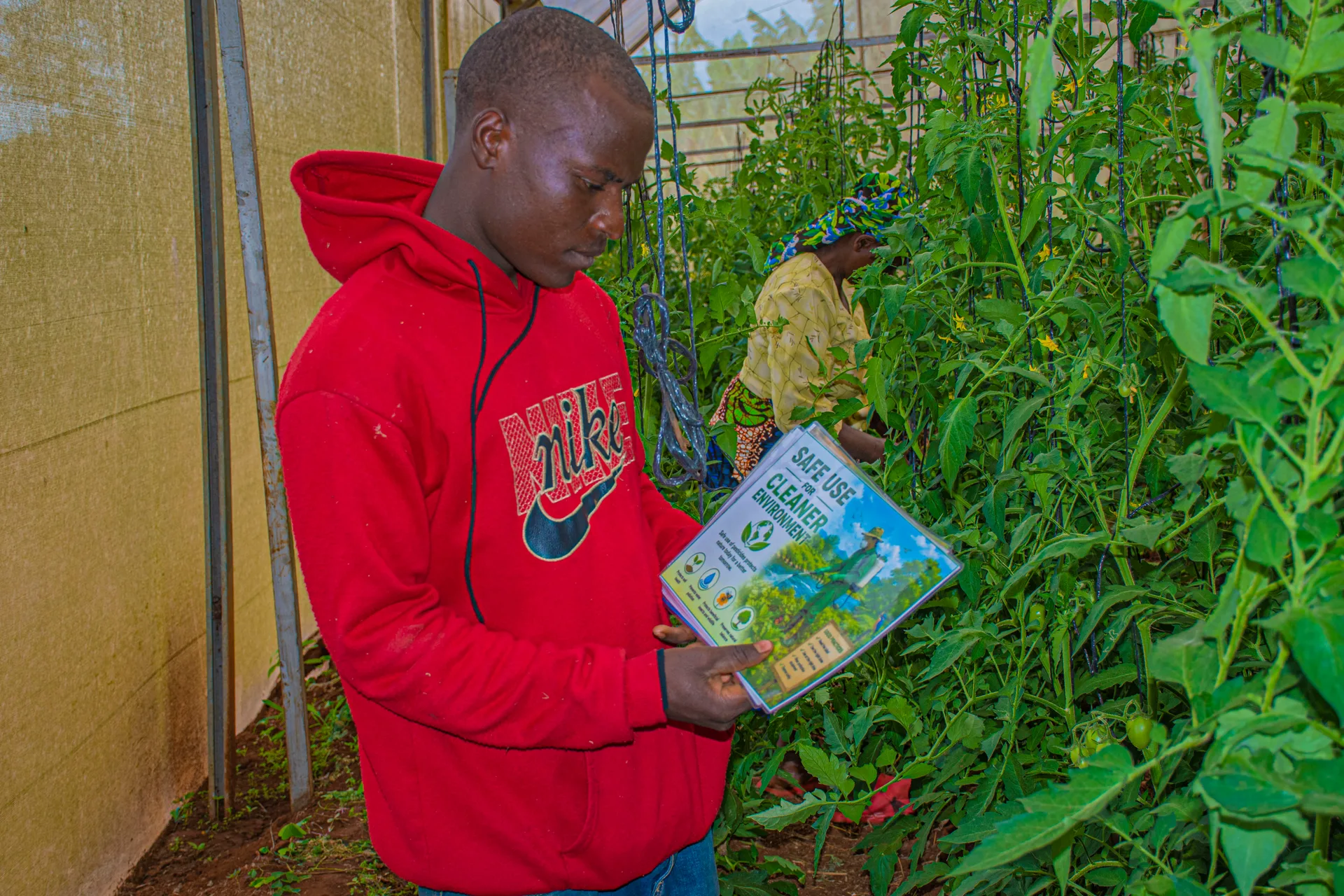
Empowering Communities Through Safe Pesticide Use in Tanzania
Oasis Foundation launches a pesticide safety awareness initiative in Siha District, Kilimanjaro.
Ngarenairobi Ward · Siha District · Kilimanjaro Region
Oasis Foundation is proud to announce the successful implementation of a community training program on the Safe Use of Chemical Pesticides in Ngarenairobi Ward, Siha District, Kilimanjaro Region. The training marks an important step toward promoting healthier communities, safer food systems, and environmental sustainability in one of Tanzania’s highly productive agricultural areas.
Building Strong Partnerships for Community Impact
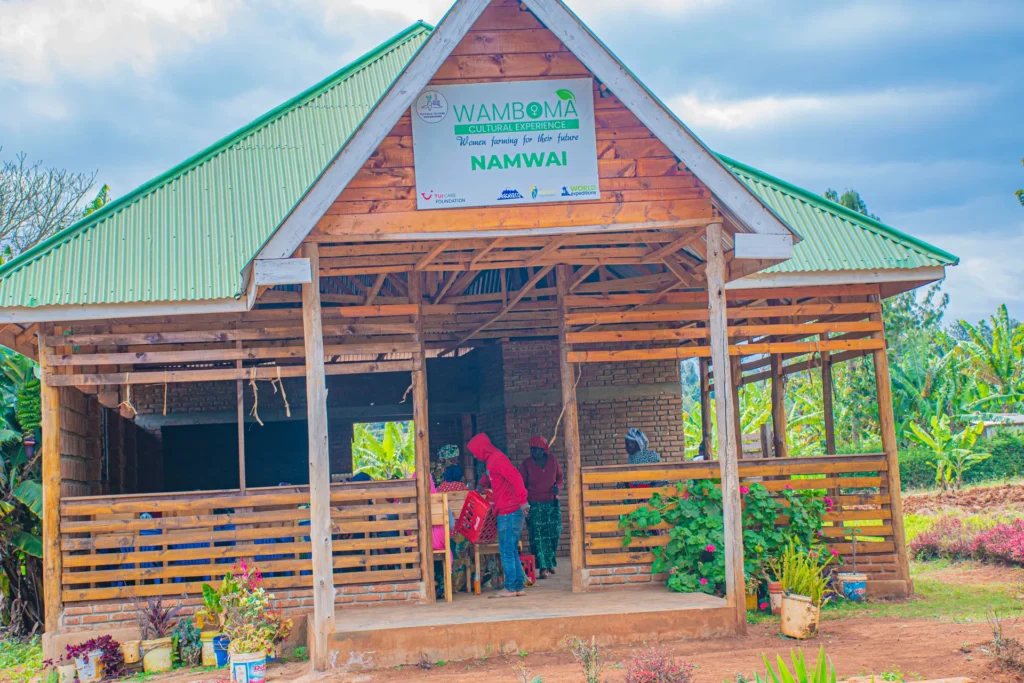
The training was conducted in collaboration with the Siha District Council, whose continuous support has enabled us to reach vulnerable groups and smallholder farmers effectively. This partnership demonstrates the importance of collective action in addressing agricultural challenges and improving community well-being.
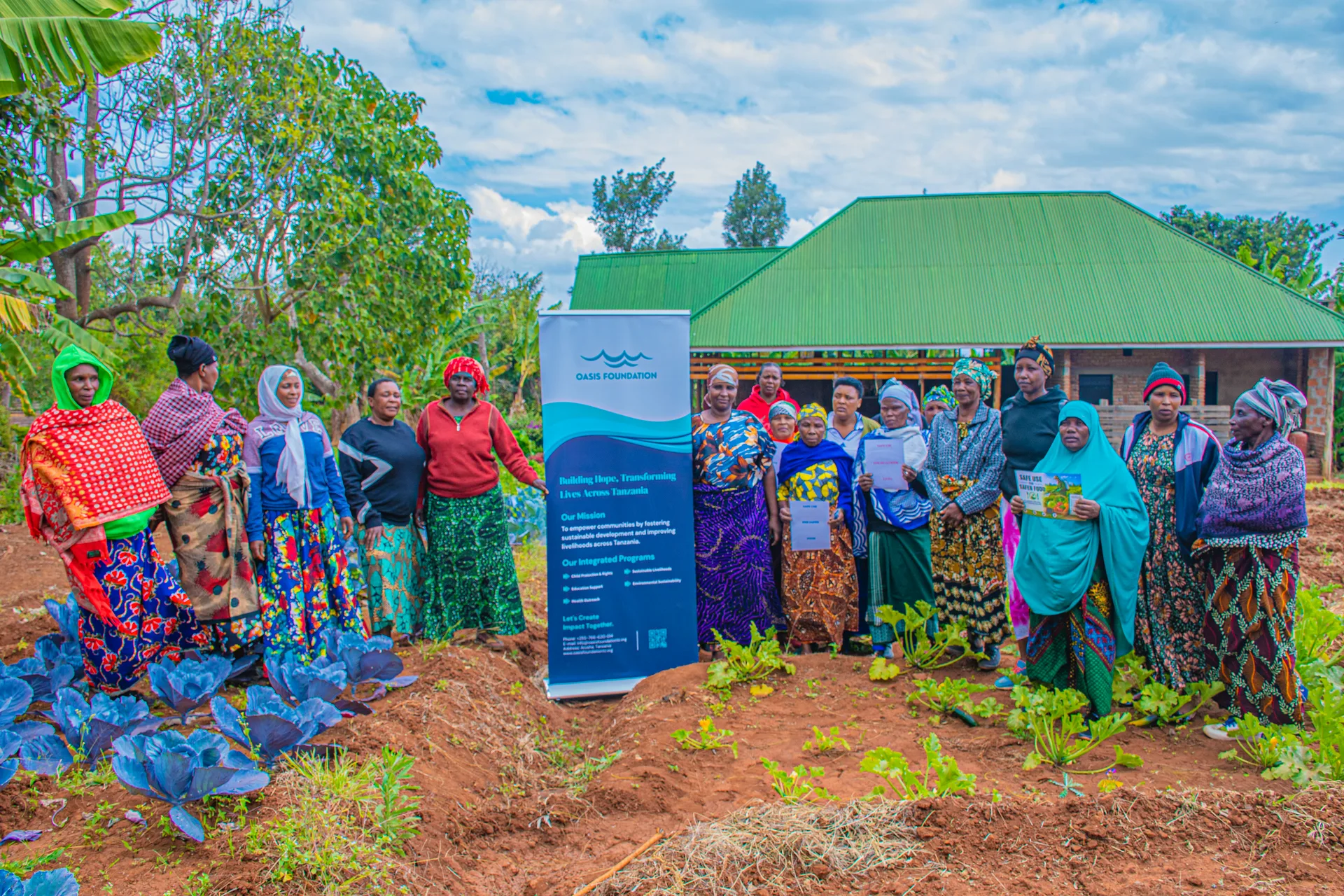
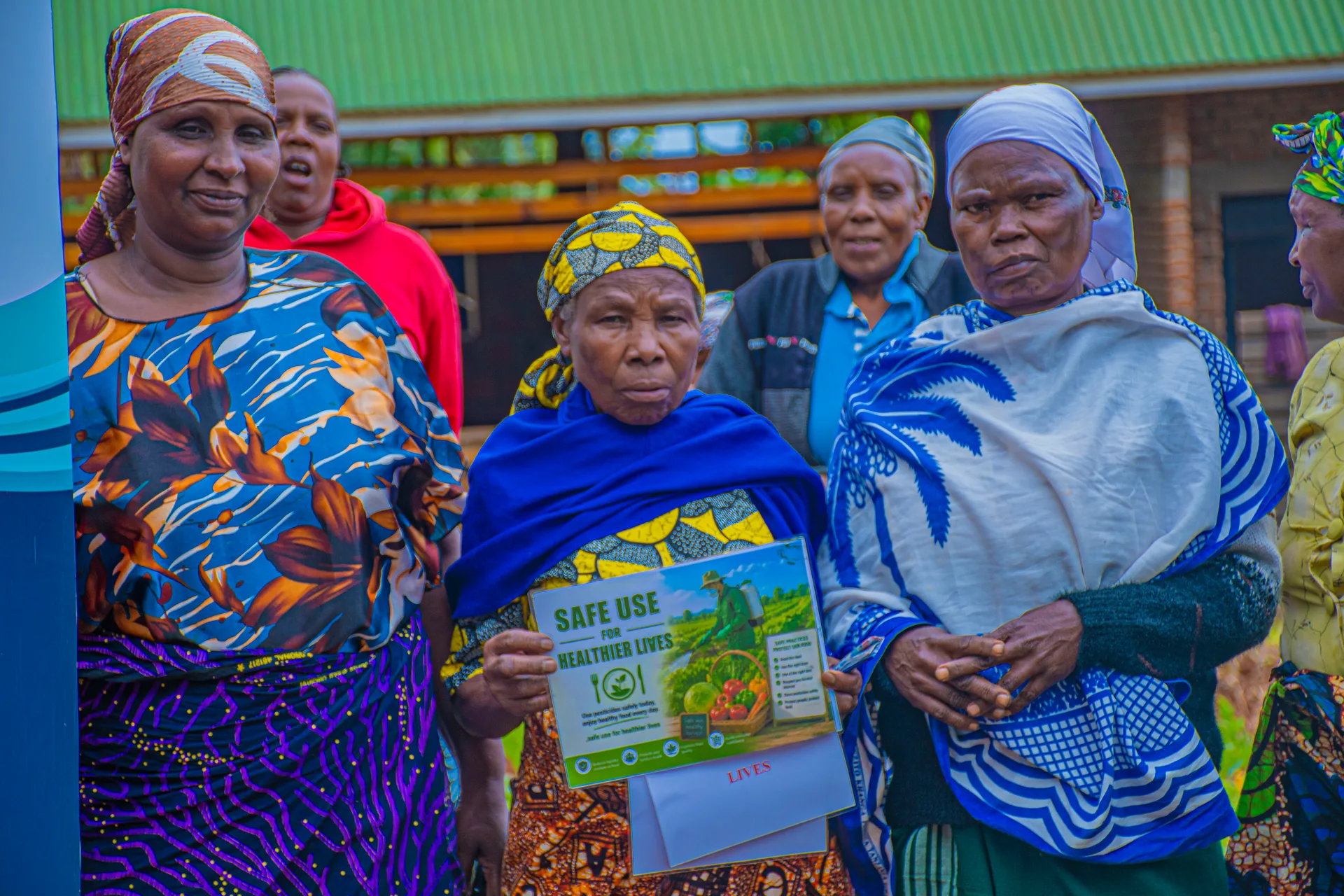
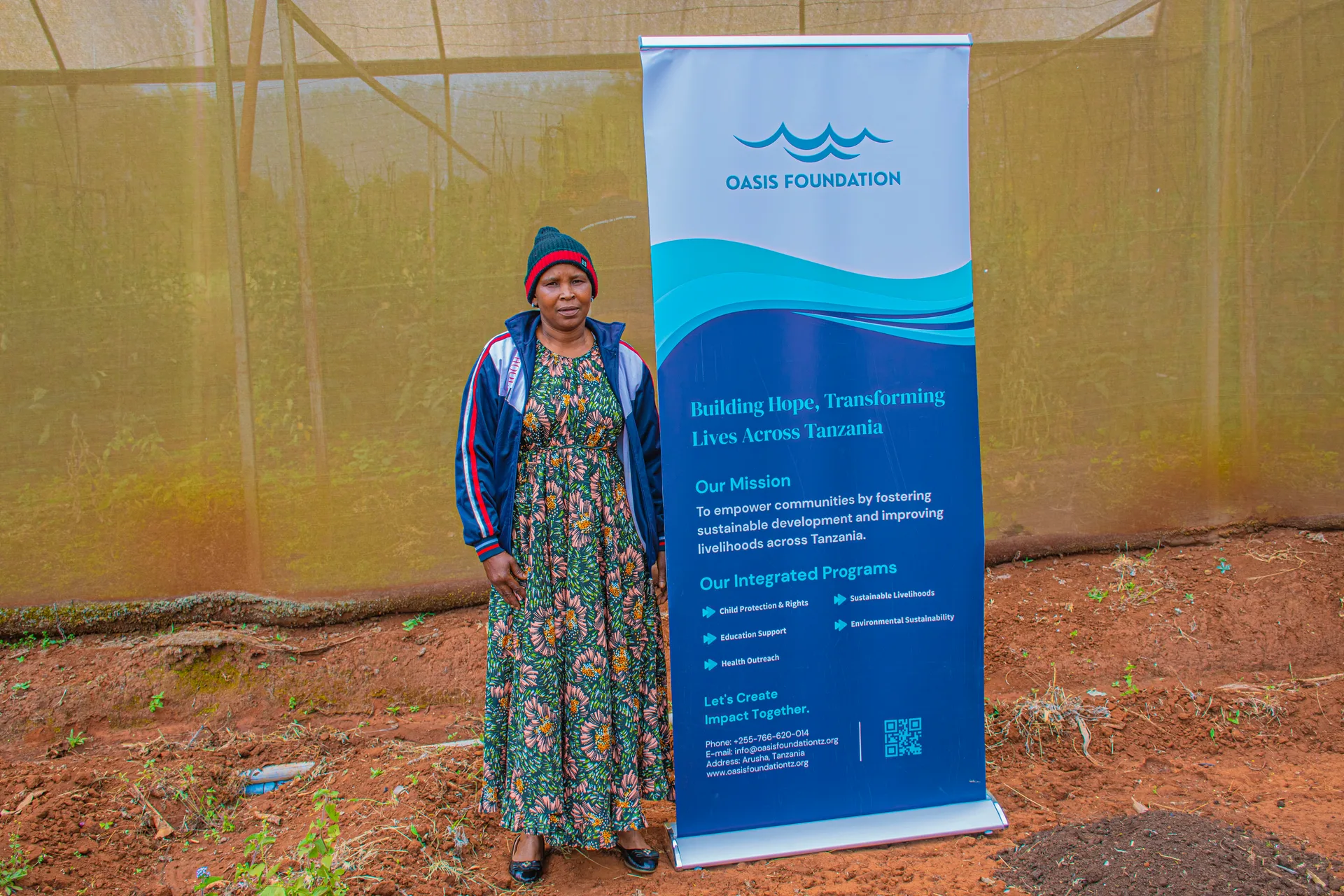
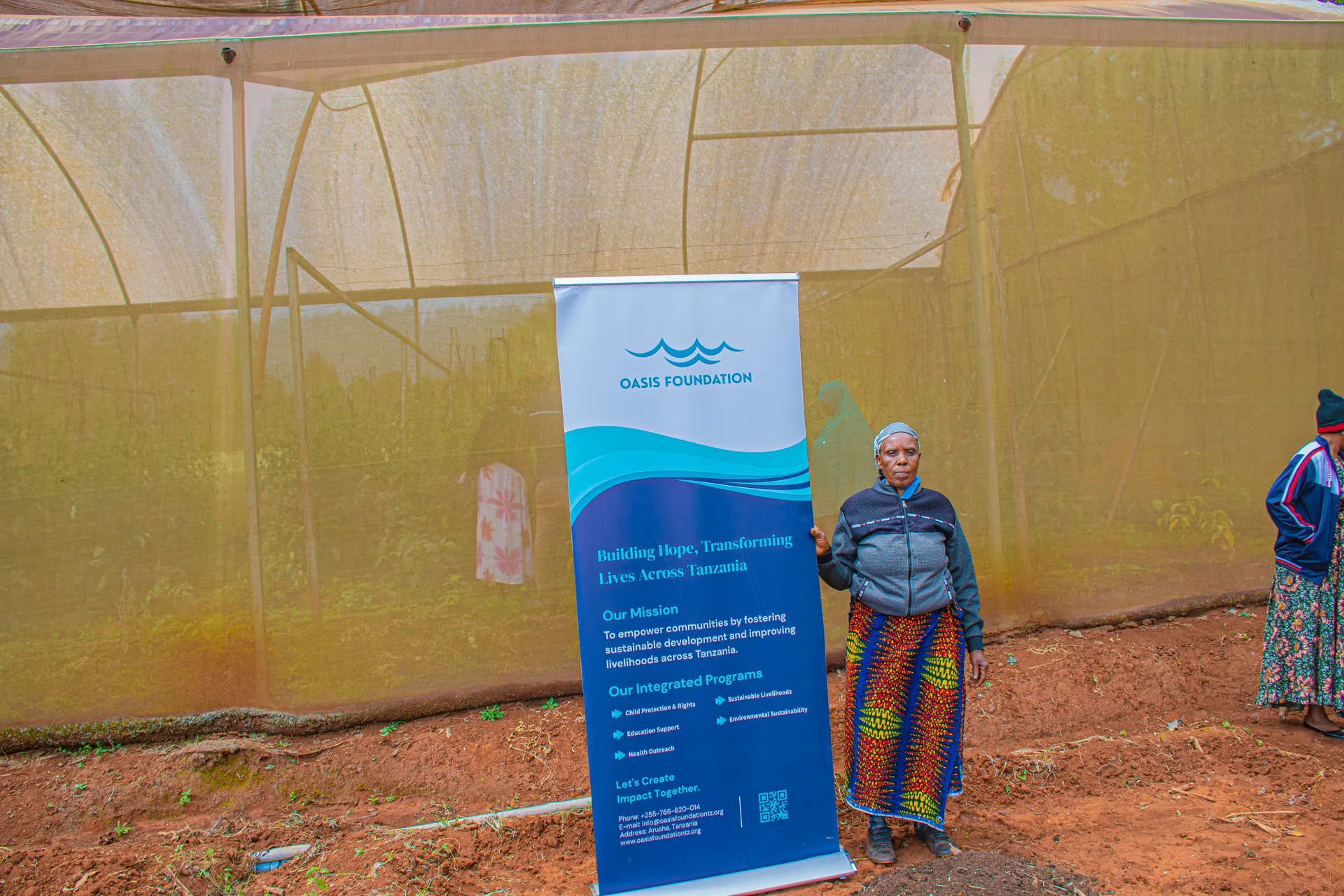
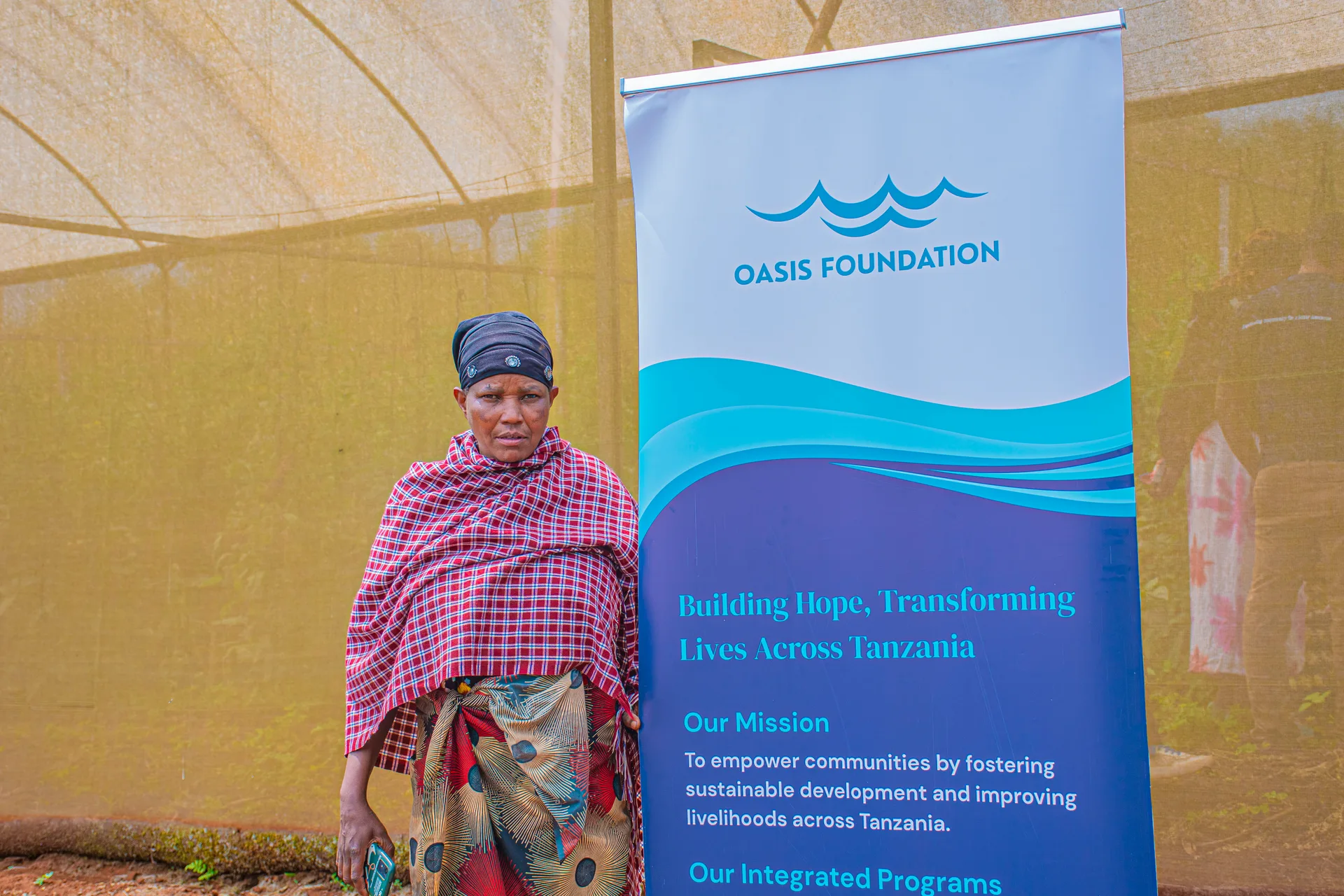
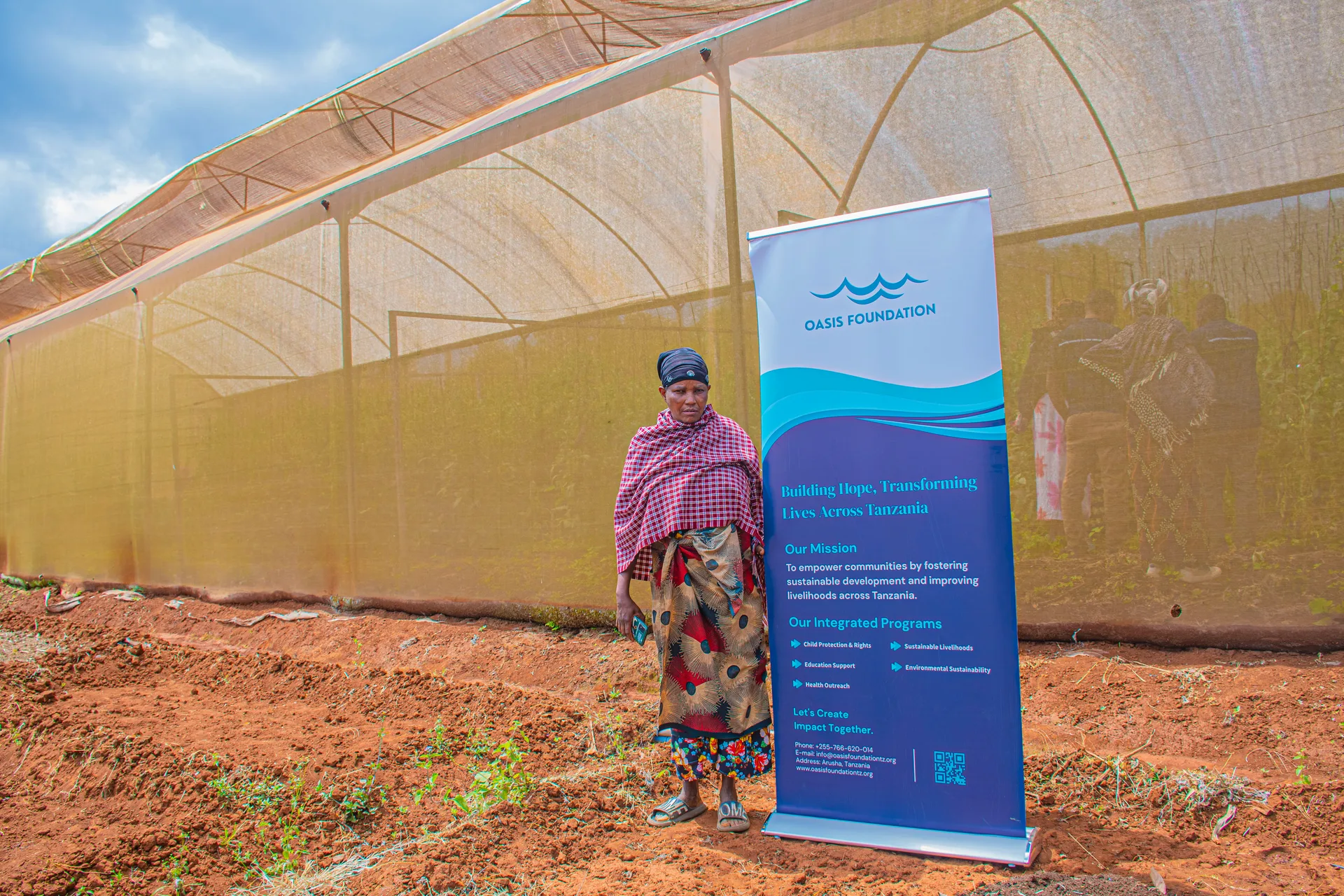
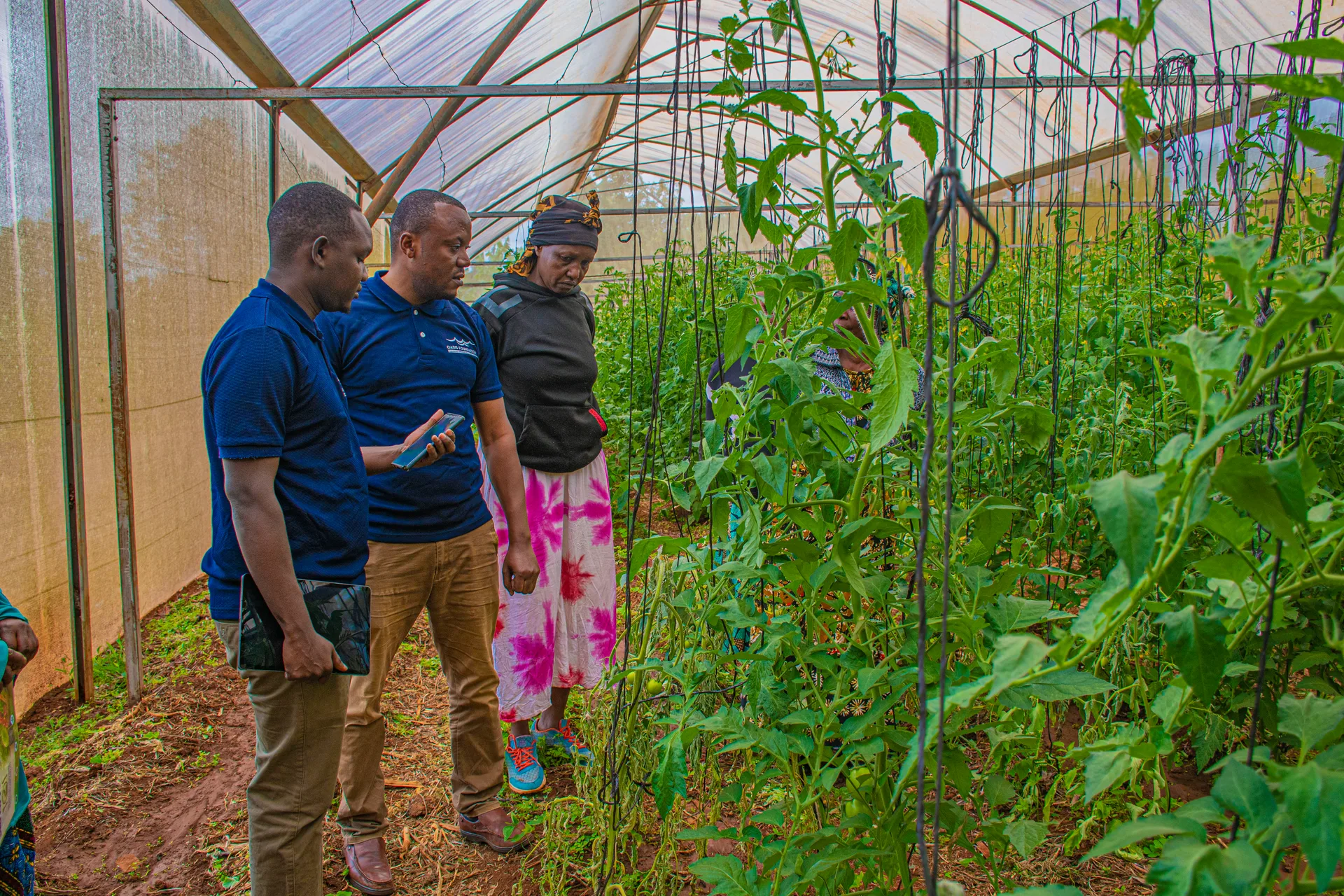
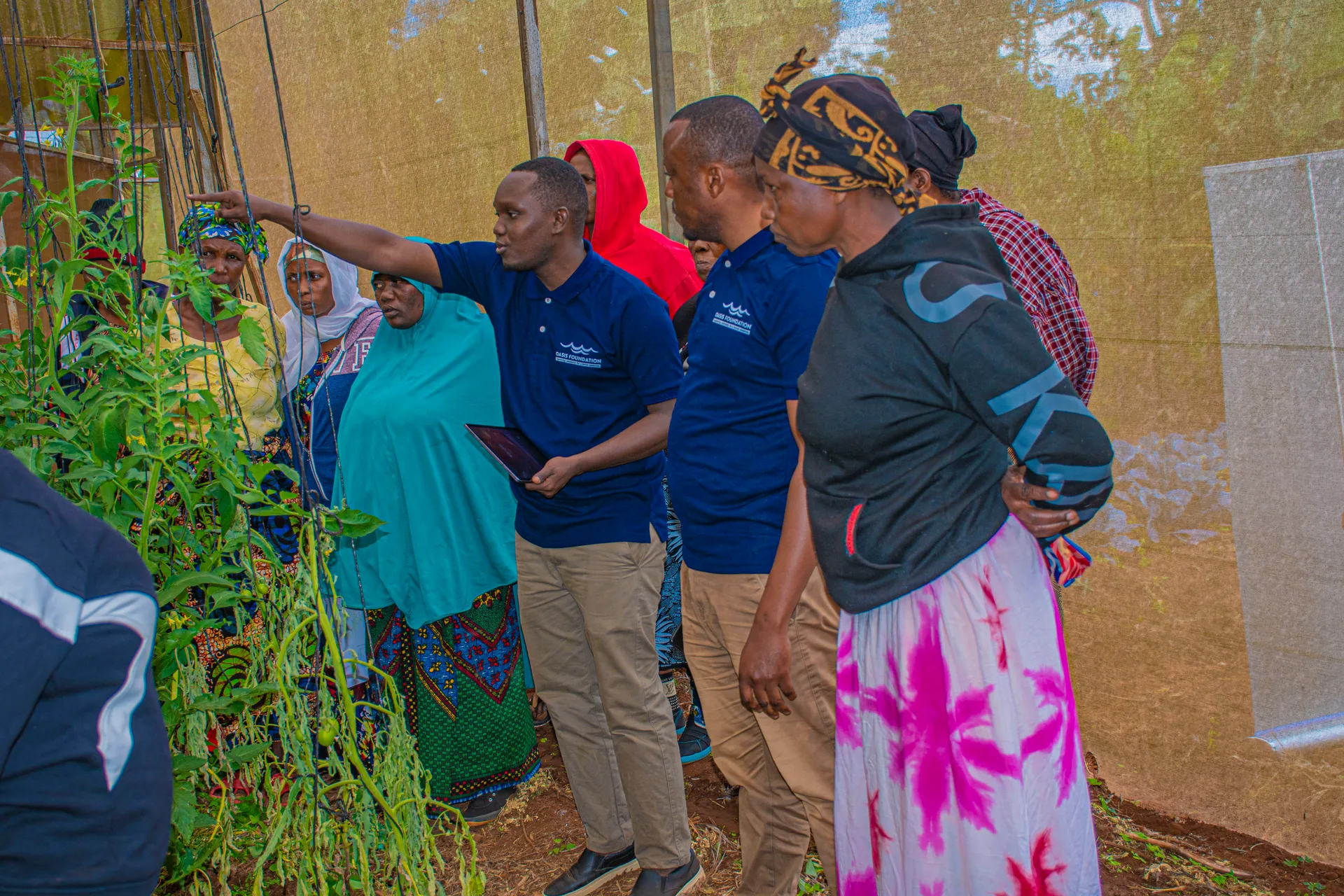
Our first beneficiaries were members of the Wamboma Cultural Experience Cooperative, a women-led group of 30 women, proudly guided by their motto:
“Women Farming for Their Future.”
By empowering women farmers with knowledge and practical skills, we are investing in stronger families, improved livelihoods, and sustainable agricultural development.
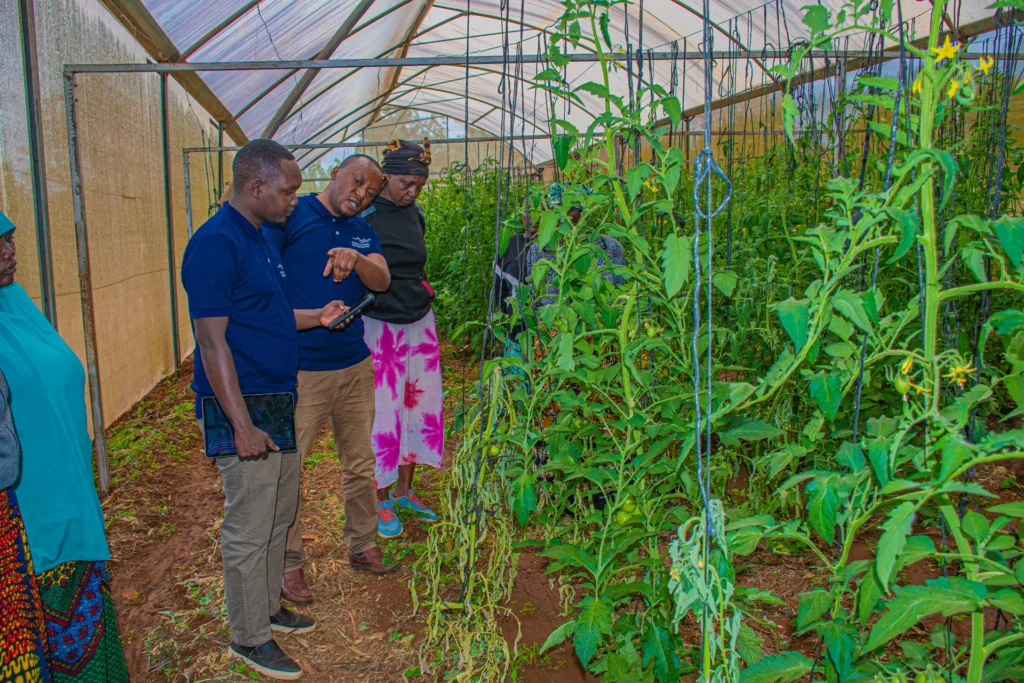
Why This Initiative Matters
The intensive use of chemical pesticides in Siha District has contributed to increased agricultural production, but it has also raised concerns regarding their improper handling and application. Misuse of pesticides can lead to serious consequences for human health, food safety, and the environment.
Through this initiative, Oasis Foundation seeks to build awareness and encourage responsible pesticide management practices among farming communities.
Training Focus Areas
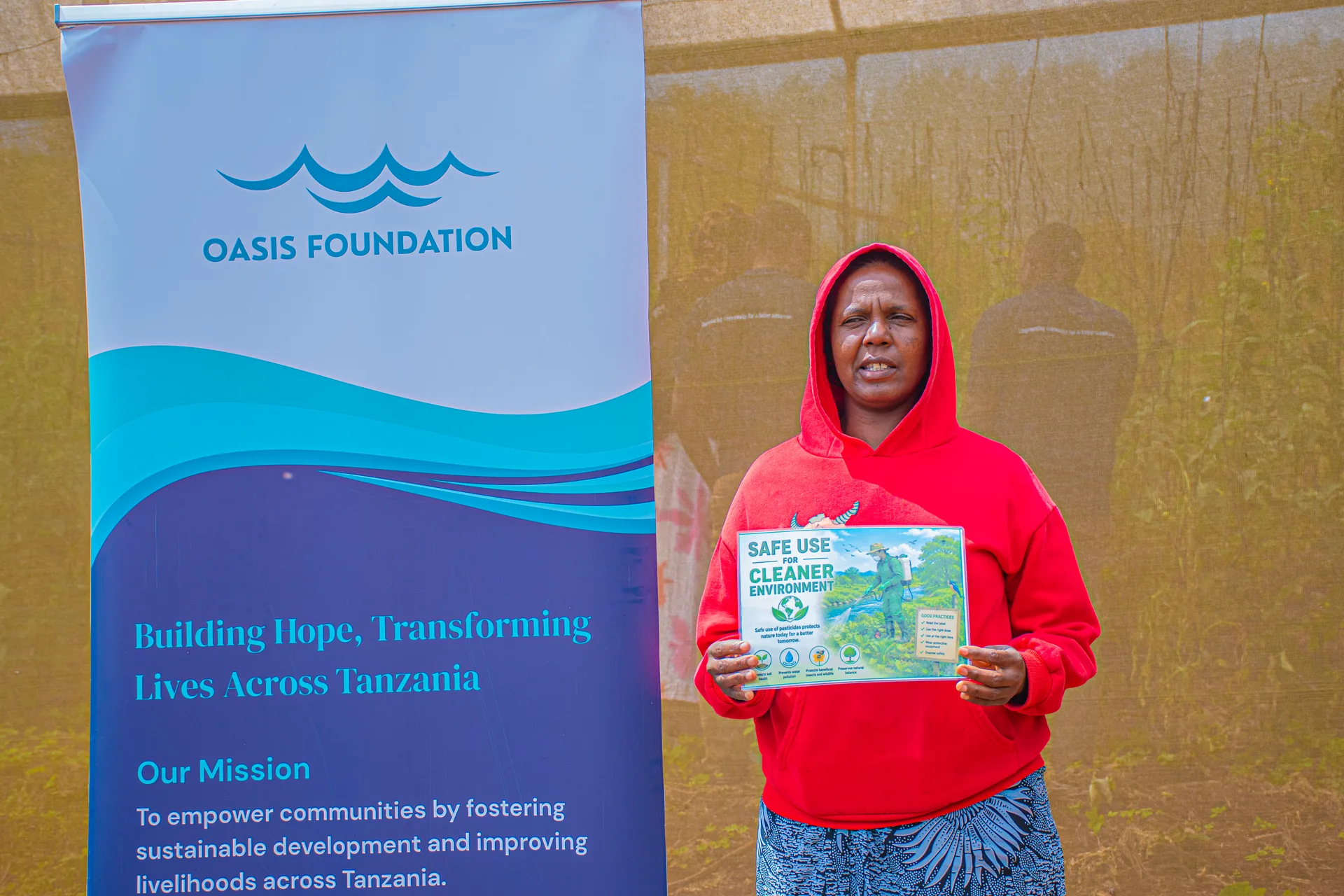
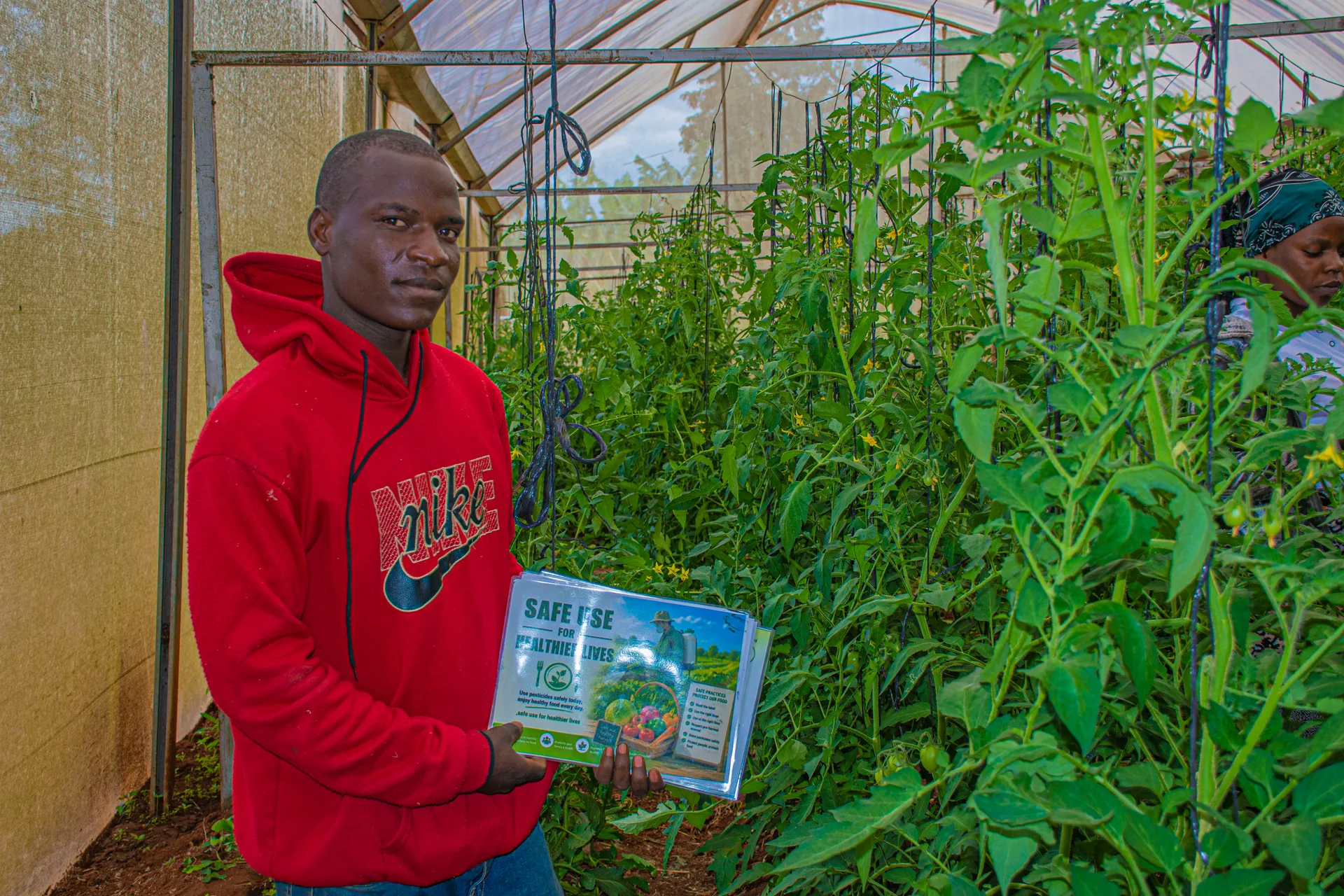
The training provided practical education on the effects of improper pesticide use across three areas the same three messages the farmers carried on their own placards.
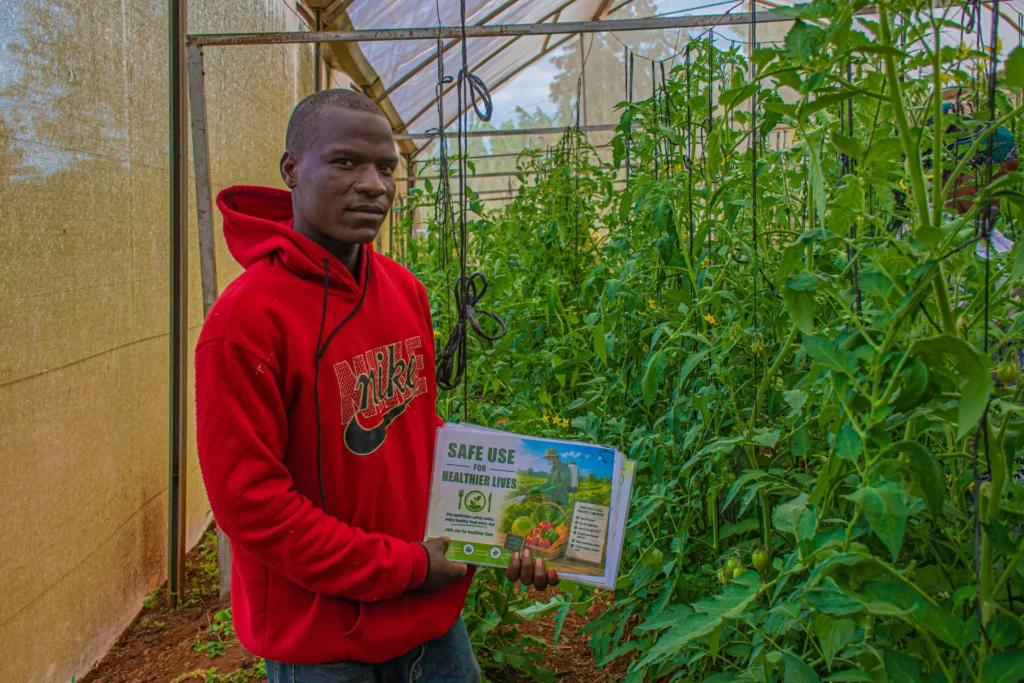
Human Health
- Acute and chronic poisoning
- Respiratory diseases and skin disorders
- Long-term health complications from chemical exposure
- The importance of personal protective equipment (PPE) and safe handling practices
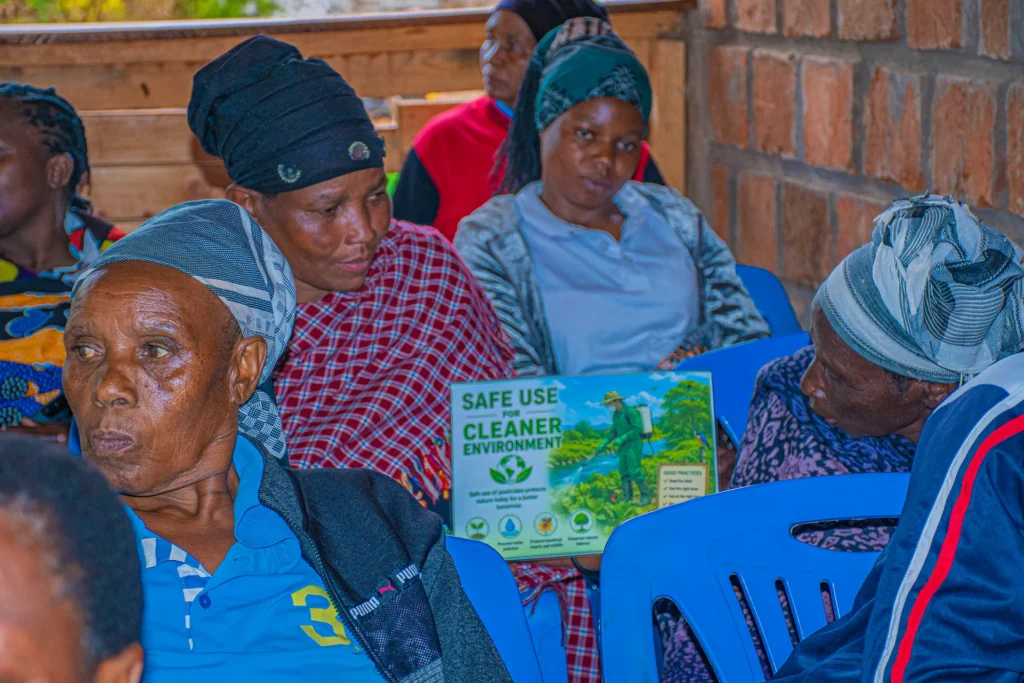
Environmental Protection
- Contamination of soil and water resources
- Loss of beneficial insects and biodiversity
- Harm to livestock and wildlife
- Sustainable farming practices that protect ecosystems
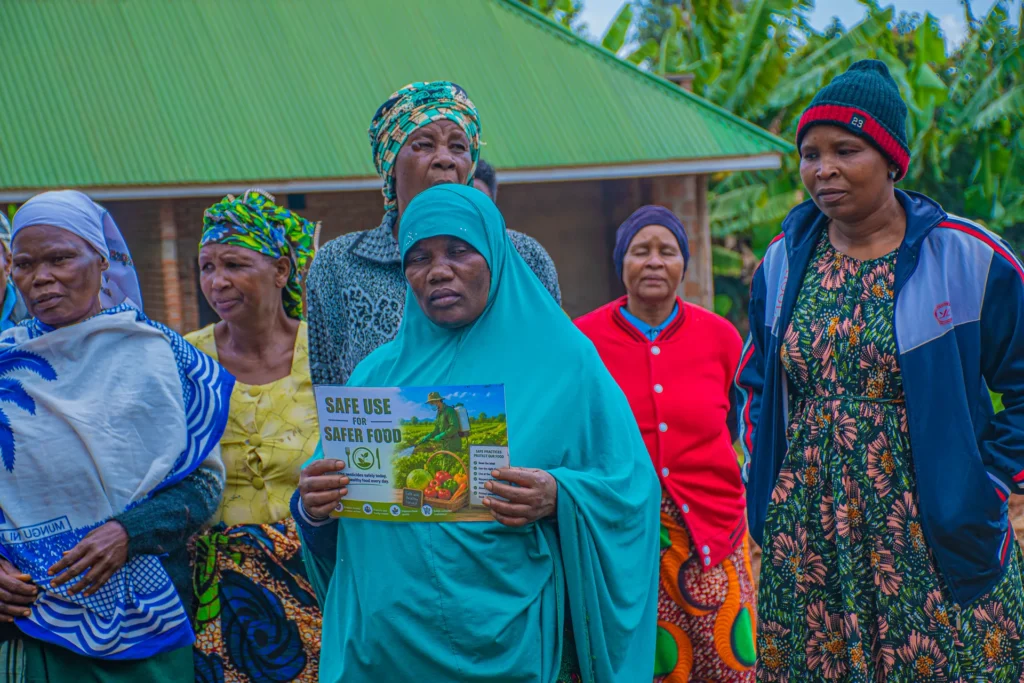
Food Safety
- Pesticide residues on food products
- Risks to consumers and market access
- Safe harvesting intervals and proper application techniques
- Production of healthier and safer food for communities
Our Vision and Target
10,000
smallholder farmers we aim to reach
200+
farmer cooperatives across Siha District
Our goal is to create a community of informed farmers who practice safe pesticide management, protect their health, safeguard the environment, and contribute to sustainable food systems.
Expected Community Impact
Through this initiative, we expect to achieve:
- Increased awareness and adoption of safe pesticide practices
- Reduced health risks among farmers and their families
- Improved food safety and consumer protection
- Enhanced environmental conservation and biodiversity protection
- Stronger resilience and productivity among smallholder farming communities
- Increased participation of women and vulnerable groups in sustainable agriculture
A Call for Partnership
Creating safe and sustainable agricultural systems requires collective effort. Oasis Foundation Tanzania welcomes partnerships with government institutions, development organizations, financial institutions, and donors who share our vision of healthier communities and sustainable agriculture.
Together, we can empower farmers with knowledge, protect our environment, and build a future where agricultural productivity goes hand in hand with human health and food safety.
What to fund or partner on
- Educational materials
- Volunteering to facilitate trainings
- Personal protective equipment (PPE)
- Incinerators for safely burning used pesticide containers
“Transforming Communities Through Knowledge, Sustainable Agriculture, and Environmental Stewardship.”
From the Training
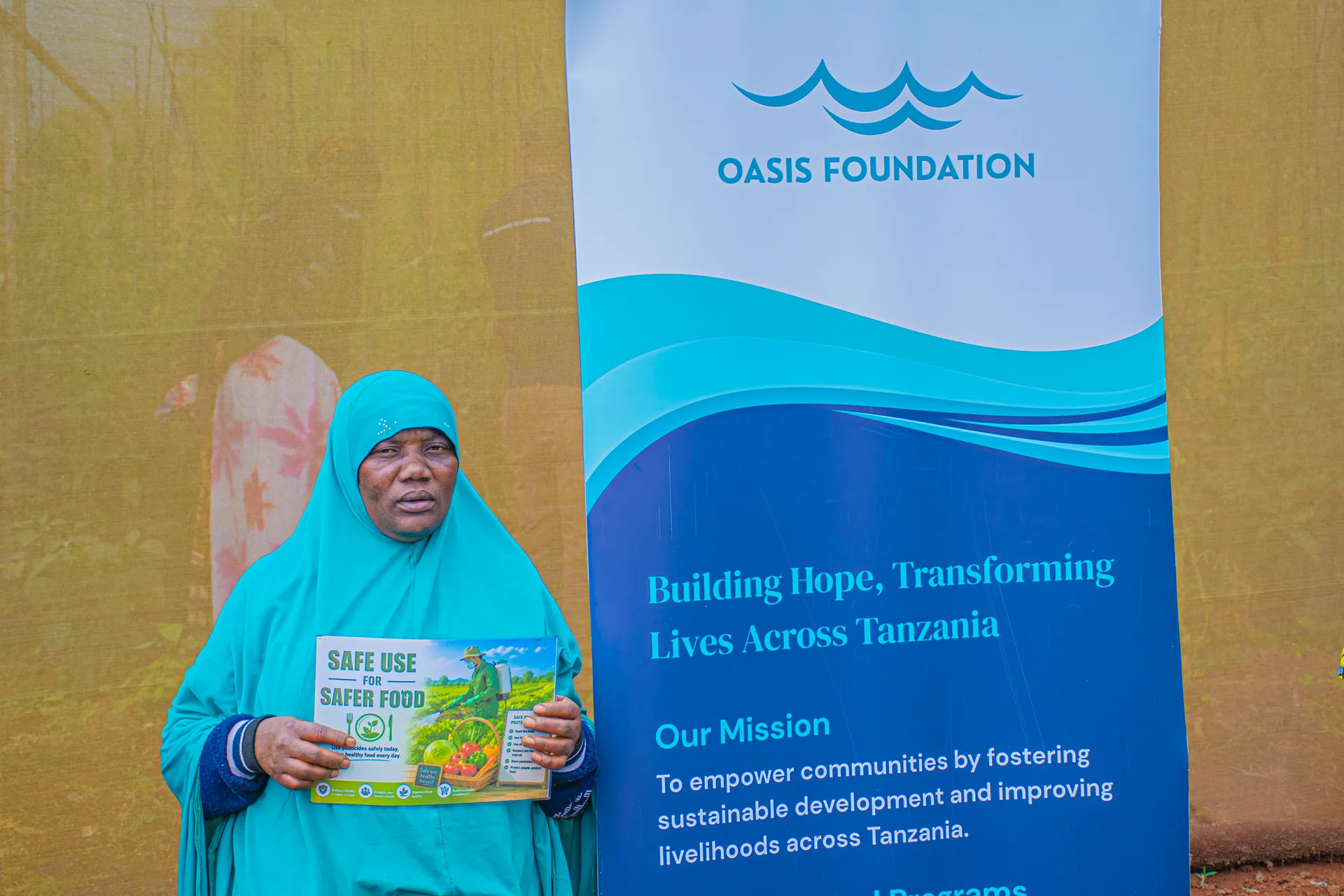
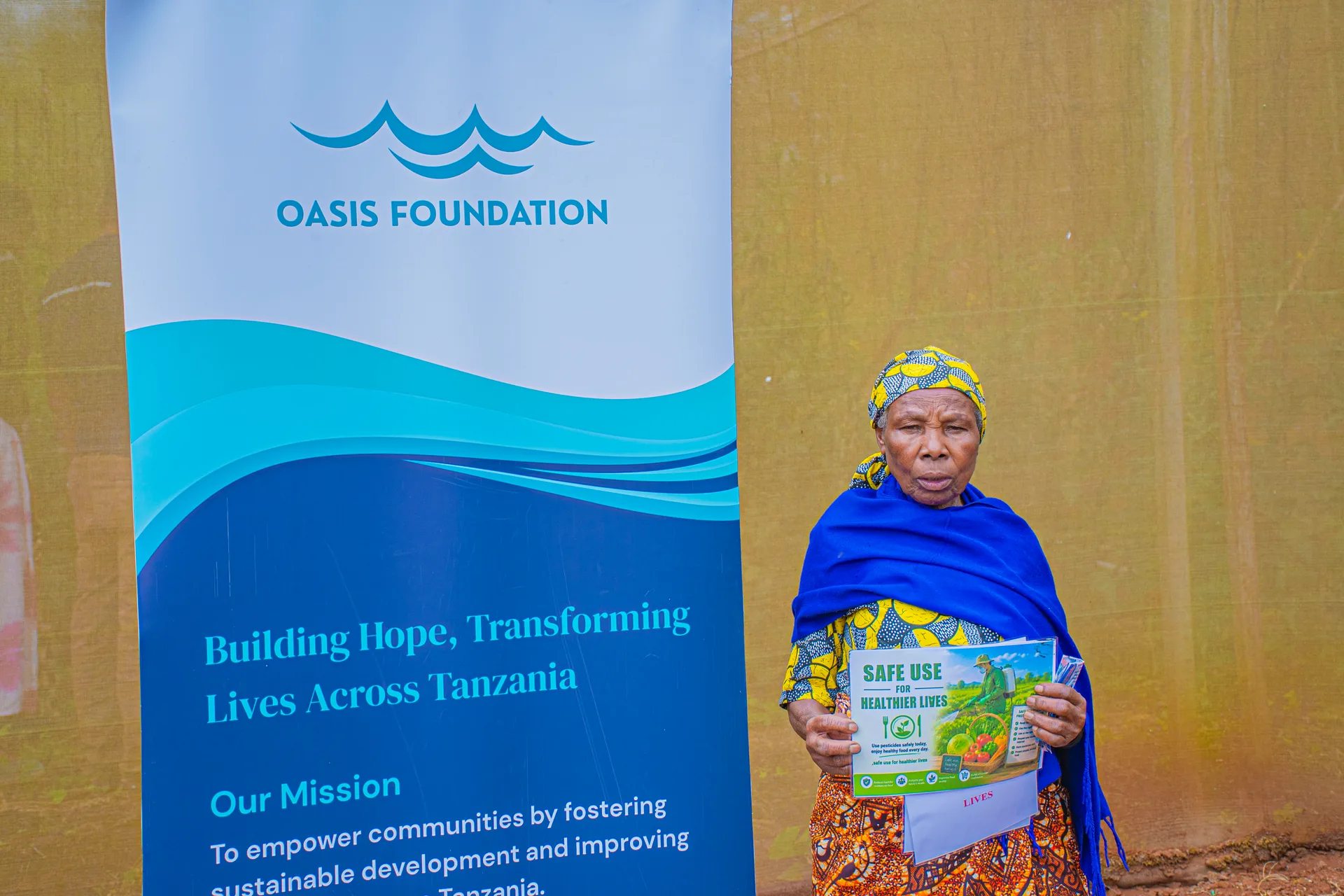
Scenes from the Safe Use of Chemical Pesticides training with the Wamboma Cultural Experience Cooperative, Ngarenairobi Ward.